Why won’t the PM mention fathers this Christmas?
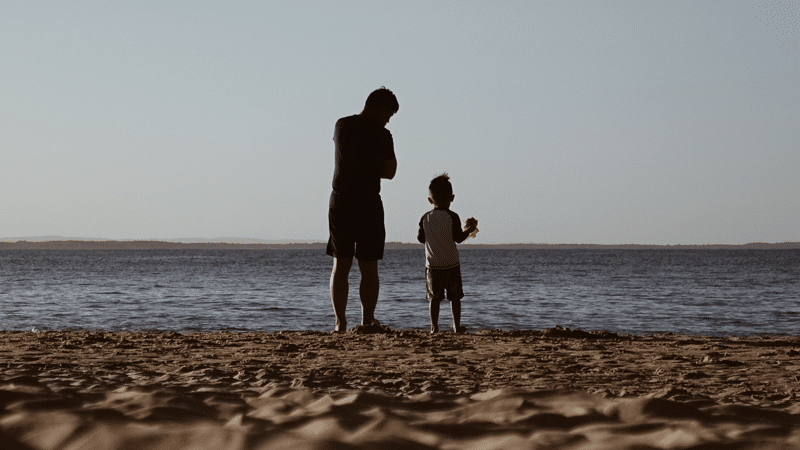
This year, the Government has finally acknowledged a truth many parents have been living with: a growing number of boys are absorbing toxic ideas about women and relationships, fuelled online and reinforced in peer culture. In July, the Department for Education published new statutory Relationships, Sex and Health Education guidance with a specific focus on challenging misogynistic myths and helping boys identify positive role models.
More recently, ministers have linked this to their wider Violence Against Women and Girls agenda, promising earlier intervention and a tougher approach to offenders.
That focus is understandable. But it still avoids the most obvious question, especially on Christmas Eve: if the Government is serious about tackling misogyny, why does it keep talking as if the answer is mostly programmes and training, rather than the most powerful influence on how boys learn to treat girls?
Because the statistics are now screaming what common sense has long said. In The stats are in: Marriage is safest for… everyone! we summarised the latest ONS domestic abuse data and one core fact stood out: married adults face about half the risk of domestic abuse compared with those who are simply living together. The article highlighted that single-parent households also report much higher rates, and it drew on research showing how powerfully fathers shape outcomes.
Long-term Australian evidence from the Ten to Men study indicates that men who strongly remember an affectionate relationship with a father or father figure are far less likely ever to report using intimate partner violence. In plain English, good fathers are not decorative. They are one of the strongest long-term protections we know about. Boys and girls watch how a father speaks to and treats their mother, and what their mother will and will not tolerate.
So yes, by all means challenge online harms, pornography, coercive content and toxic influencers. But if we want boys to grow into men who protect women rather than exploit them, we must rebuild what forms character most reliably: stable families and, above all, the married mum-and-dad home.
This is why C4M exists. We are the only national organisation focused specifically on defending and promoting real marriage, as the lifelong union of one man and one woman, because it remains the most reliable foundation for stability, safety, and better outcomes for women, men and children.
That work depends on two things.
First, the freedom to speak plainly. This autumn, after the Metropolitan Police confirmed it would stop investigating Non-Crime Hate Incidents in order to “reduce ambiguity” and avoid policing culture-war debates, C4M called on the College of Policing to scrap the NCHI framework altogether. If lawful views can be logged and potentially disclosed, honest discussion about marriage and family becomes harder precisely when the nation needs it most. It’s now being reported that NCHIs are set to be completely scrapped.
Second, the confidence to say the obvious in public life. In September, we noted that the “gay marriage gotcha” is losing its power. A senior politician was pressed to denounce pro-marriage remarks and instead stated, plainly, that children do better with two stable parents and that the most stable relationships tend to be between men and women. That is not a partisan point. It is the beginning of a return to reality.
So here is the Christmas Eve challenge to No 10, and to all of us: do not pretend we can ‘train’ our way out of a family collapse. If ministers want to tackle misogyny at the root, they should be brave enough to put fathers back in the story, and to promote the family structure that most reliably keeps fathers and mothers together, and keeps women and children safer.
Thank you for standing with us through 2025. If you value having a national organisation willing to keep putting this evidence back on the table, please consider supporting C4M into 2026.
And a Happy Christmas to all our supporters!