‘Put a ring on it’, says The Times. ‘Why bother?’ says the Government
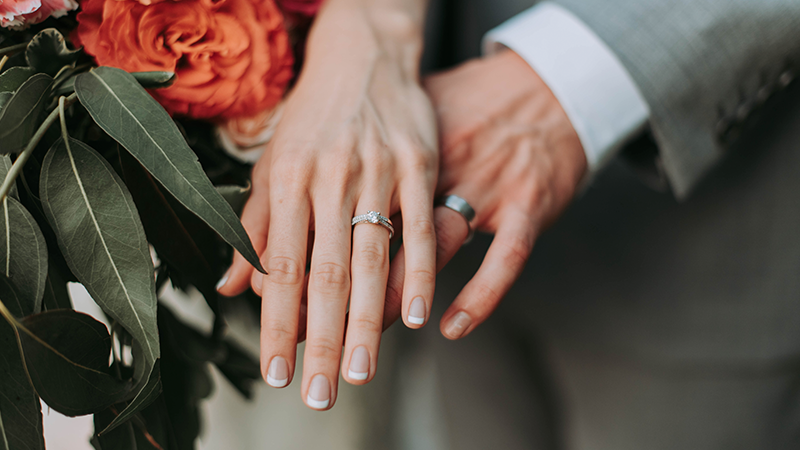
Last week, The Times’ Money Editor told her readers to stop overthinking it and “just put a ring on it”. Johanna Noble’s column laid out the financial case for marriage in terms that had nothing to do with faith, tradition, or values – it was pure money. A cohabiting couple in England with an average home and a moderate pension could face an inheritance tax bill of over £82,000 on the death of one partner – in London, £192,000. A married couple in the same position would pay nothing.
Noble is a personal finance journalist, not a campaigner. But the point she makes is one the law has always recognised: marriage is different, because the commitment is different. That is why married couples receive the spousal exemption from inheritance tax, the transferable nil-rate band and pension survivor benefits as of right. These are not arbitrary perks. They exist because marriage is a public, binding commitment that the law rightly rewards. The answer for cohabiting couples who want those protections has always been available. It costs £150 and comes with a set of vows.
And yet 46% of the adult population still believes in the myth of ‘common law marriage’, wrongly assuming that living together gives them the same rights as a married couple. It does not.
So what should the answer be? Tell people the truth. Encourage them to marry. Strengthen the incentives. The Centre for Social Justice’s ‘Baby Bust’ report, published this month, argues for exactly that: supporting marriage through the tax system, not pretending it does not matter.
Instead, the Government is doing the opposite. On 18 March, the Ministry of Justice confirmed that a major consultation on cohabitation rights will launch this Spring, described by the minister as “a matter of utmost importance”. The plan seems to be an opt-out system: automatic legal rights for cohabiting couples unless they formally agree otherwise. Marriage-lite, created by the back door.
The same minister said the Government wants to firmly uphold “marriage as one of our most important institutions”. Then let them prove it. You do not uphold marriage by building its replacement. You do not strengthen families by removing the reason many couples have to make a deliberate, public commitment to each other. You do not protect vulnerable partners by replacing the conversation that leads to marriage with a system that ensures it never needs to happen. You do not only damage marriage by redefining it. You damage it by redefining everything around it until the distinction disappears.
And consider the irony: under an opt-out system, how will a couple prove the relationship existed? How will they establish when it began and what it meant? Either the state imposes obligations on people who never asked for them, or it requires some kind of formal declaration of commitment. A piece of paper. Perhaps a ceremony. Perhaps a ring. There is already a word for that.
This consultation could land any week. But something has shifted. The Times is making the case for marriage. Even the Government feels the need to promise it will uphold marriage as an institution. The evidence is on our side. The public instinct is on our side. What we need now is the campaign to match.
C4M is preparing a full response to this consultation, and we will need every one of you. Forward this email to anyone who needs to understand what is coming.